

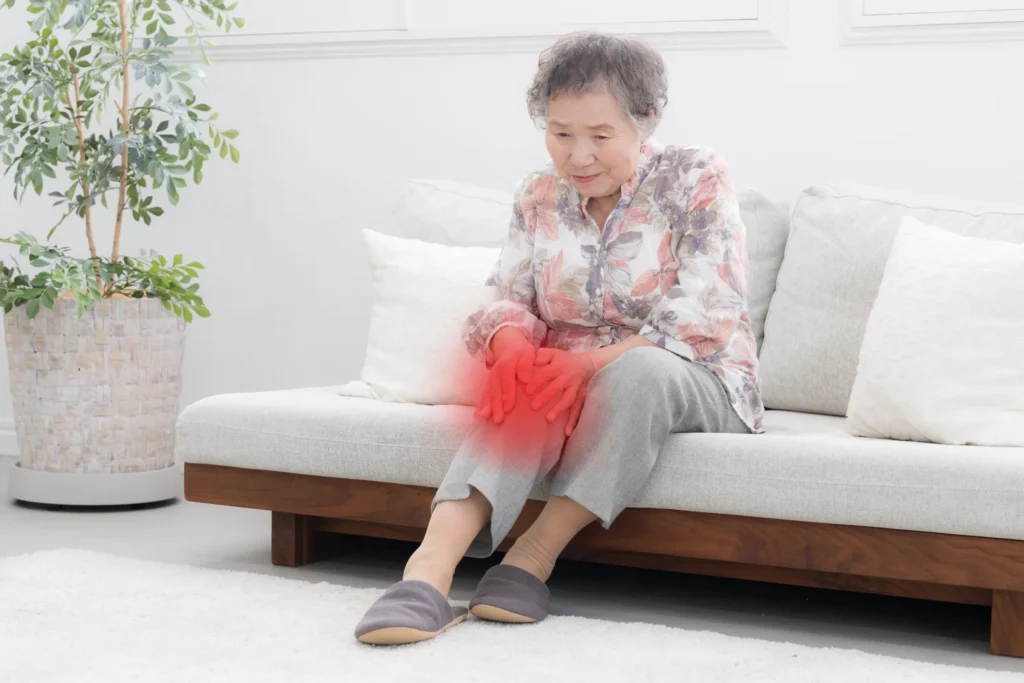
Understanding Joint Instability
Many people with joint instability describe feeling as though a joint is loose, shifts unexpectedly, gives way, or simply does not feel secure during normal activities. Joint instability can affect nearly any area of the body and often leads to recurring pain, injuries, and limitations in daily function.
At Wright Chiropractic + Laser, we work with patients throughout Mequon, Ozaukee County, the Milwaukee North Shore, and Southeastern Wisconsin who are seeking supportive treatment options for joint instability and related mobility challenges.
Common Causes of Joint Instability
Joint instability can develop for a variety of reasons and may affect one or multiple joints throughout the body.
Common causes include:
- Ehlers-Danlos Syndrome
- Hypermobility Spectrum Disorder
- Ligament injuries
- Sports injuries
- Repetitive stress injuries
- Previous dislocations
- Joint subluxations
- Muscle weakness
- Connective tissue disorders
- Chronic inflammation
- Autoimmune conditions
- Trauma from accidents or falls
In some cases, joint instability develops gradually over time, while in others it occurs following a specific injury or event.
Common Symptoms of Joint Instability
Symptoms can vary depending on the affected joint and the severity of the instability.
Common symptoms may include:
- Joints that feel loose or unstable
- Frequent sprains
- Recurring injuries
- Joint pain
- Joint clicking or popping
- Sensations of shifting or slipping
- Partial dislocations (subluxations)
- Full dislocations
- Muscle fatigue
- Weakness around a joint
- Difficulty exercising
- Reduced confidence during movement
Many patients begin limiting activities because they no longer trust the affected joint to function normally.
Areas Commonly Affected by Joint Instability
Joint instability may affect:
- Shoulders
- Knees
- Hips
- Ankles
- Wrists
- Elbows
- Cervical spine (neck)
- Jaw joints
Patients with Ehlers-Danlos Syndrome and Hypermobility Spectrum Disorder often experience instability in multiple joints throughout the body.
How Joint Instability Affects Daily Life
Joint instability can significantly impact mobility, athletic performance, work activities, and everyday function.
Simple activities such as walking, climbing stairs, carrying groceries, exercising, reaching overhead, or participating in sports may become increasingly difficult when a joint feels unreliable or prone to injury.
Over time, instability can contribute to chronic pain, recurring injuries, muscle tension, and reduced physical activity.
Many patients find themselves constantly compensating for unstable joints, placing additional stress on other areas of the body.
Supportive Care for Joint Instability
At Wright Chiropractic + Laser, our goal is to help patients improve stability, mobility, function, and overall quality of life through personalized treatment plans.
Depending on the underlying cause of instability, treatment recommendations may include:
- Summus Laser Pod Therapy
- Horizon Handheld Laser Therapy
- Network Spinal Analysis
- Chiropractic Care
- Mobility Restoration Therapies
- Personalized Treatment Planning
These therapies may help support joint function, movement efficiency, tissue recovery, mobility, and overall wellness as part of a comprehensive care strategy.
Advanced Therapies for Joint Instability
Many patients seeking treatment for joint instability are looking for non-invasive options that support their ability to remain active and participate in daily activities.
Advanced technologies such as the Summus Laser Pod and Horizon Handheld Laser Therapy are frequently incorporated into individualized treatment plans based on each patient’s symptoms, goals, and overall condition.
Because no two patients experience joint instability in exactly the same way, treatment recommendations are always customized.
Joint Instability Treatment in Mequon, WI
Dr. Andrew Wright works with patients experiencing joint instability throughout Mequon, Cedarburg, Thiensville, Grafton, Whitefish Bay, Bayside, Ozaukee County, the Milwaukee North Shore, and communities across Southeastern Wisconsin.
Whether instability is affecting a single joint or multiple areas throughout the body, our team focuses on helping patients improve function, mobility, and confidence in movement through individualized care strategies.
Learn More About Joint Instability Treatment
This page provides an overview of joint instability and the many conditions that may contribute to loose, painful, or unreliable joints. To learn more about our treatment options and supportive care strategies, please visit our Joint Instability Treatments page under Services.
There, you’ll find more detailed information about how Wright Chiropractic + Laser utilizes therapies such as the Summus Laser Pod, Horizon Handheld Laser Therapy, Network Spinal Analysis, and individualized treatment plans designed to help patients improve stability, mobility, and quality of life.